.webp)
The Heart of Pelican Town: Exploring Emotional Growth and Relationships in Stardew Valley
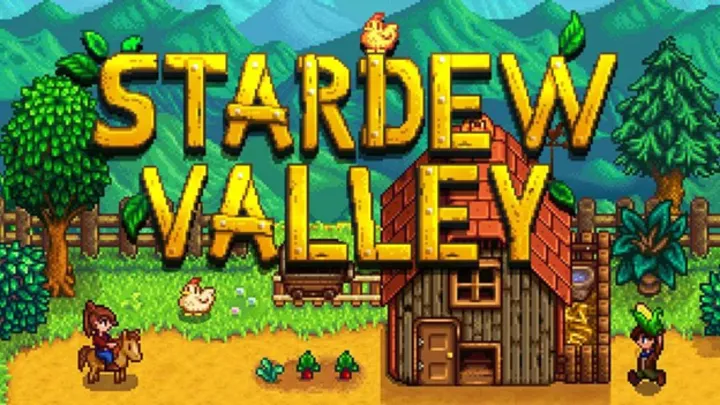
Stardew Valley is not merely a farming simulator—it’s a game that mirrors human emotion, community connection, and the intricate web of relationships that shape small-town life. Beyond planting crops and mining gems, the soul of Stardew Valley lies in its characters—their stories, vulnerabilities, and how the player becomes a thread that binds their fractured lives together. This article delves deeply into one specific theme: emotional growth and interpersonal relationships within Stardew Valley, analyzing how the game captures empathy, loss, healing, and human connection in digital form.
The Lonely Beginning: Escaping the Corporate World
The journey in Stardew Valley begins not with a heroic quest but with an escape—from modern disillusionment. The player leaves behind the sterile confines of Joja Corporation, a clear metaphor for the suffocating modern workplace, to inherit their late grandfather’s farm in Pelican Town. This act of escape sets the emotional tone for the entire narrative—a yearning for meaning, nature, and reconnection.
In this transition, players symbolically shed the skin of monotony. The quiet, pixelated landscape of the valley welcomes them into a space that encourages patience and mindfulness. Unlike most games that rush progression, Stardew Valley slows the player down. Each day passes rhythmically, mirroring the way personal healing takes time. The farm becomes a blank canvas for emotional rebirth.
Yet, the loneliness of the first few days is palpable. The empty farmhouse, the silent fields, and the distance from the townsfolk all reflect an inner solitude. Stardew Valley’s first emotional lesson is that growth begins with solitude—only by embracing isolation can one prepare for connection.
Building Bridges: The Art of Community Reconnection
Pelican Town is not a perfect village; it is fragmented, burdened by history and quiet despair. Its people have forgotten how to rely on each other. The player’s arrival acts as a catalyst for change, slowly stitching the community back together through simple acts of kindness, conversation, and shared experiences. Stardew Valley is thus a subtle meditation on social renewal.
Each character represents a different struggle—mental health, generational trauma, loneliness, and addiction. Helping them does not yield instant rewards; rather, it demands consistency and empathy. Through small gestures like gifting, attending festivals, or listening, the player learns that community cannot be rebuilt with force—it flourishes through understanding.
This process parallels the player’s own healing. As the farm blossoms, so do relationships. Stardew Valley turns the act of befriending into a narrative rhythm, reinforcing that personal progress and social connection are interdependent.
The Unspoken Pain: Hidden Stories of Pelican Town
Beneath the town’s cheerful façade lies a tapestry of unspoken pain. Stardew Valley dares to confront the silent struggles that most games ignore. It is in these quiet moments—an alcoholic’s relapse, a soldier’s trauma, a child’s loneliness—that the game transcends simulation and becomes human storytelling.
Characters like Shane, Penny, and Linus embody vulnerability. Shane’s depression arc, for instance, is a striking portrayal of despair and recovery. His gradual transformation—if supported by the player—becomes one of the game’s most profound emotional rewards. Similarly, Linus’s self-imposed isolation invites reflection on society’s treatment of outsiders, forcing players to question empathy’s boundaries.
Through these narratives, Stardew Valley reminds players that even the most idyllic places carry shadows. Healing is not about erasing pain but acknowledging it. This psychological realism makes Pelican Town feel alive, imperfect, and deeply relatable.
Love in the Valley: Romance as Reflection of Growth
Romantic relationships in Stardew Valley are not mere side quests—they are mirrors reflecting the player’s emotional evolution. Unlike traditional dating systems in games, these relationships unfold through sincerity rather than conquest. Each potential partner has flaws, fears, and personal goals, which must be respected rather than “overcome.”
For example, Abigail’s rebellious streak hides insecurity; Leah’s artistic independence masks a fear of judgment. The player’s role is not to “fix” them but to connect authentically. Love in Stardew Valley is thus less about possession and more about mutual acceptance—a digital manifestation of emotional maturity.
Moreover, the freedom to choose any partner, regardless of gender, reinforces inclusivity. The game normalizes diverse relationships without fanfare, embedding acceptance naturally into its design. It’s a world where love simply is—organic, personal, and kind.
Festivals and Rituals: The Pulse of Collective Emotion
Festivals in Stardew Valley serve as more than calendar events; they are emotional punctuation marks that give rhythm to the year. These gatherings symbolize the cycles of human connection—moments of joy, nostalgia, and togetherness that break daily monotony. They mirror real-life traditions that reinforce belonging and continuity.
Events like the Flower Dance or Stardew Valley Fair invite both social vulnerability and courage. The Flower Dance, often awkward for newcomers, captures the fear of rejection and the longing for acceptance. The Fair, by contrast, celebrates effort and community pride. Each festival subtly teaches emotional lessons about participation and empathy.
Through repetition and seasonal rhythm, these rituals remind the player that community thrives on shared memory. Emotional health, like farming, depends on showing up—even when the soil feels barren.
Generations and Legacy: The Weight of the Past
Grandpa’s presence, though limited to the opening and a later evaluation, anchors Stardew Valley in generational continuity. His spirit symbolizes moral inheritance—the idea that one’s life and values echo beyond death. The player’s success is not measured by wealth alone but by compassion, relationships, and contribution to the town.
This theme deepens through Pelican Town’s elders, like George and Evelyn, whose lives reflect the slow passage of time. They embody endurance and nostalgia, reminding players that community identity is built on layers of memory. By caring for them, players metaphorically preserve the town’s emotional heritage.
In a digital landscape obsessed with progress, Stardew Valley pauses to honor legacy. It asks players to look backward with gratitude before moving forward with purpose.
Isolation and Belonging: The Balance Between Solitude and Society
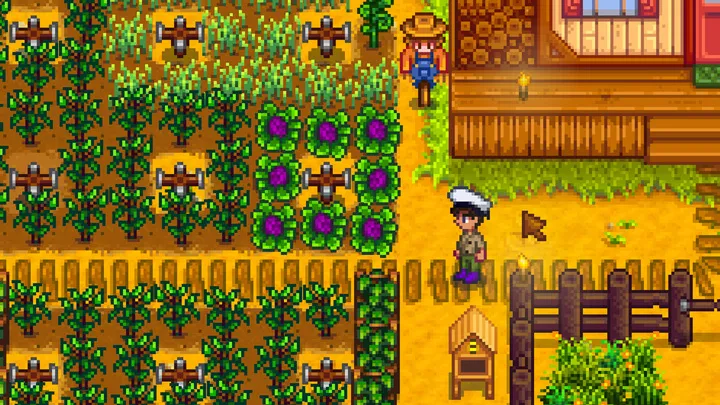
Though the game celebrates community, it also respects solitude. Stardew Valley recognizes that emotional well-being requires both connection and introspection. The farm becomes a sanctuary—a space where players can retreat, reflect, and realign their inner selves before re-engaging with others.
This duality is captured in the changing seasons. Winter, for instance, strips the valley of growth but invites contemplation. It’s a time to rest, repair tools, and reconnect with inner peace. Conversely, spring revives energy and social interaction. The cyclical nature of the year thus becomes a metaphor for emotional balance.
Through this rhythm, Stardew Valley teaches players to value stillness as much as activity. It’s an elegant reflection of human psychology: healing comes from harmony, not extremes.
The Moral Crossroads: JojaMart versus the Community Center
Perhaps the most explicit ethical dilemma in Stardew Valley is the choice between revitalizing the Community Center or supporting JojaMart’s corporate expansion. This decision transcends mere gameplay—it represents the tension between capitalism and communalism, between convenience and compassion.
Choosing the Community Center path is an act of restoration. Each completed bundle revives a part of Pelican Town’s identity. It’s a slow, deliberate process that mirrors rebuilding trust. Supporting JojaMart, on the other hand, offers immediate rewards but strips the town of its soul. It’s an emotional critique of modern consumer culture.
This moral tension encourages players to reflect on their own values. Stardew Valley doesn’t moralize—it simply lets consequences unfold, trusting the player to learn through experience rather than instruction.
Seasons of Change: Emotional Cycles Reflected in Nature
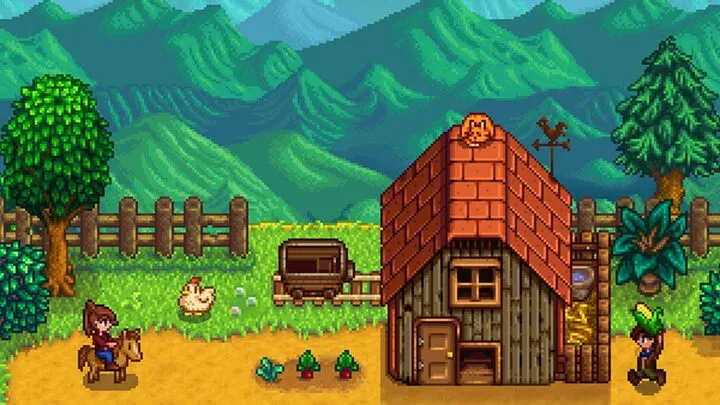
Nature is the silent narrator of Stardew Valley. Each season brings not only new crops but new moods, emotions, and reflections. Spring symbolizes renewal; summer radiates passion; fall evokes nostalgia; and winter invites introspection. These cycles subtly mirror the player’s emotional journey across the years.
The game’s art and sound design reinforce this emotional flow. The gentle rustling of fall leaves or the muffled quiet of snow-laden mornings evokes sensations of peace and melancholy. Nature, in Stardew Valley, is not passive scenery—it’s an emotional partner, shaping how players feel and act.
By aligning human emotion with natural rhythm, Stardew Valley reawakens a forgotten truth: emotional health thrives when humans live in harmony with the earth’s cycles.
The Eternal Return: Reflection and Legacy at Journey’s End
When Grandpa’s spirit returns to evaluate the player’s journey, it feels less like a test and more like a mirror. The evaluation doesn’t measure productivity but emotional depth—how much the player has cared, connected, and healed. Success in Stardew Valley is not about completion; it’s about becoming part of a living community.
By the end, Pelican Town no longer feels like a game world—it feels like home. Every friendship, every restored building, and every harvested crop carries memory. The player’s emotional journey transforms the digital valley into an extension of their inner world, proving that even pixelated relationships can foster genuine reflection and empathy.
Stardew Valley concludes not with an ending but with continuity. The farm remains, seasons change, and the town endures. Emotional growth, like the soil, must be tended forever.
Conclusion
Stardew Valley is more than a game—it’s a meditation on emotional healing, connection, and purpose. Through its subtle storytelling and cyclical structure, it teaches that the richest harvests come not from the soil but from the human heart. In its quiet valleys and bustling festivals, it captures the essence of belonging—a lesson both timeless and tender. Every conversation, crop, and season in Stardew Valley becomes a reflection of what it means to grow not just as a farmer, but as a person.