.webp)
Mastering the Sky: A Deep Guide to Energy Management in World of Warplanes
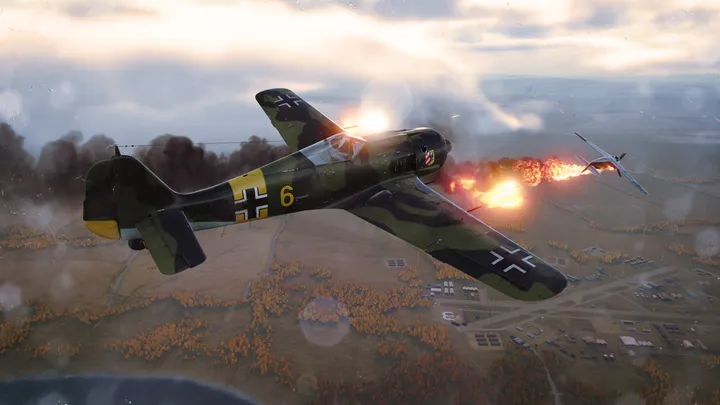
World of Warplanes is often described as a fast‑paced aerial shooter, but beneath the explosions and dogfights lies a complex system that determines who climbs, who dives, who escapes, and who crashes in flames: energy management. New players frequently misunderstand why certain planes out‑turn them, why enemies climb faster, or why they lose duels even with superior firepower. The answer is almost always energy — the invisible currency of aerial combat.
This article explores energy management in World of Warplanes in depth, breaking down how it works, why it matters, and how players can use it to dominate the skies. Across ten structured sections, we will examine the mechanical, tactical, and psychological aspects of energy, revealing why it is the single most important skill for long‑term mastery.
1. Understanding Energy: The Foundation of Aerial Combat
Energy in World of Warplanes is a combination of speed and altitude. The higher you fly, the more potential energy you store. The faster you fly, the more kinetic energy you possess. Together, these determine your ability to maneuver, climb, dive, and escape.
New players often focus on firepower or turn rate, ignoring the fact that a plane with poor energy management will lose every engagement against a pilot who understands the system. Energy determines initiative — the ability to choose when to fight and when to disengage.
The Two Types of Energy
- Potential Energy: altitude
- Kinetic Energy: speed
Why Energy Matters
A plane with more energy controls the fight. A plane with less energy reacts to the fight.
2. The Climb Phase: How to Build Energy Early
The opening seconds of a match determine your energy advantage. Climbing early gives you altitude, which converts into speed during dives. Many players rush forward at low altitude, entering combat with no energy reserve.
Climbing at the start allows you to dictate engagements. High‑altitude fighters like heavy fighters and boom‑and‑zoom aircraft rely on this early climb to gain dominance. Even turn fighters benefit from moderate altitude, as it gives them options to dive or reposition.
Climb Tips
- Begin climbing immediately after takeoff
- Use shallow angles to maintain speed
- Avoid climbing directly above enemies
The Early‑Game Mistake
Flying straight into the center at low altitude guarantees you will be energy‑starved.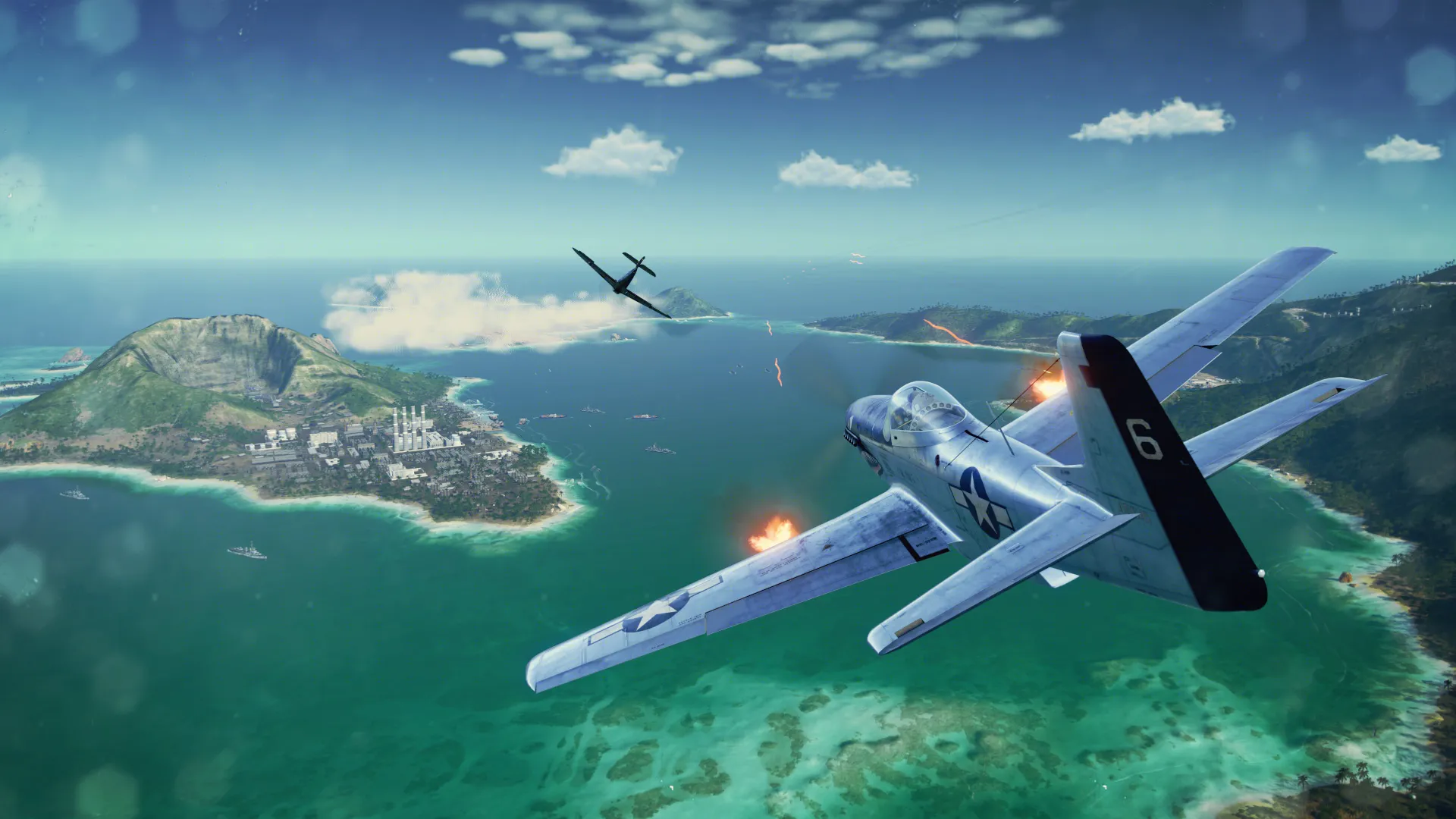
3. Boom‑and‑Zoom: The Art of High‑Energy Attacks
Boom‑and‑zoom (BnZ) is a tactic where you dive from above, strike the enemy, and climb back up before they can retaliate. This tactic relies entirely on energy advantage. Heavy fighters and high‑altitude interceptors excel at BnZ.
The key to BnZ is timing. Dive too early and you lose altitude without gaining advantage. Dive too late and the enemy may spot you and evade. After attacking, climbing back up is essential — staying low turns you into an easy target.
Boom‑and‑Zoom Steps
- Gain altitude
- Identify a low‑energy target
- Dive at high speed
- Fire in a single pass
- Climb back to safety
The BnZ Trap
New players often stay low after a dive, losing their energy advantage and dying quickly.
4. Turn Fighting: When Energy Isn’t Everything — But Still Matters
Turn fighters rely on maneuverability rather than energy. However, even turn fighters need energy to maintain control. A turn fighter with low speed becomes sluggish and vulnerable.
Turn fighting is most effective at medium altitude and moderate speed. Too much speed makes turning difficult; too little speed makes you a sitting duck. Managing throttle, flaps, and altitude is essential.
Turn Fighting Tips
- Maintain medium speed
- Use flaps sparingly
- Avoid turning at very high altitude
The Turn Fight Myth
Many players believe turn fighters ignore energy — but without speed, they cannot turn effectively.
5. Energy Bleed: How Maneuvers Drain Your Power
Every maneuver costs energy. Tight turns bleed speed. Climbing bleeds speed. Even firing weapons can slow your plane slightly. Understanding energy bleed helps you avoid unnecessary losses.
Players who constantly turn or climb without purpose quickly lose energy, becoming easy prey. Smart pilots use smooth, efficient maneuvers to conserve energy while forcing enemies to waste theirs.
High Energy‑Bleed Maneuvers
- Tight turns
- Vertical loops
- Hard climbs
Low Energy‑Bleed Maneuvers
- Barrel rolls
- Shallow turns
- Controlled dives
The Bleed‑Out Problem
If you bleed energy faster than your opponent, you lose control of the fight.
6. Escape Tactics: How to Survive When You’re Low on Energy
When you’re low on energy, you cannot out‑turn or out‑climb your opponent. Your only option is to regain energy through smart movement. Diving is the fastest way to rebuild speed, but it must be done safely.
Escape tactics rely on terrain, teammates, and map awareness. Diving toward friendly AA guns or teammates can save you. Flying low through canyons or around obstacles can break line‑of‑sight.
Escape Techniques
- Dive to gain speed
- Fly toward allies
- Use terrain to break pursuit
The Panic Mistake
Climbing while being chased is suicide — you lose speed and become an easy target.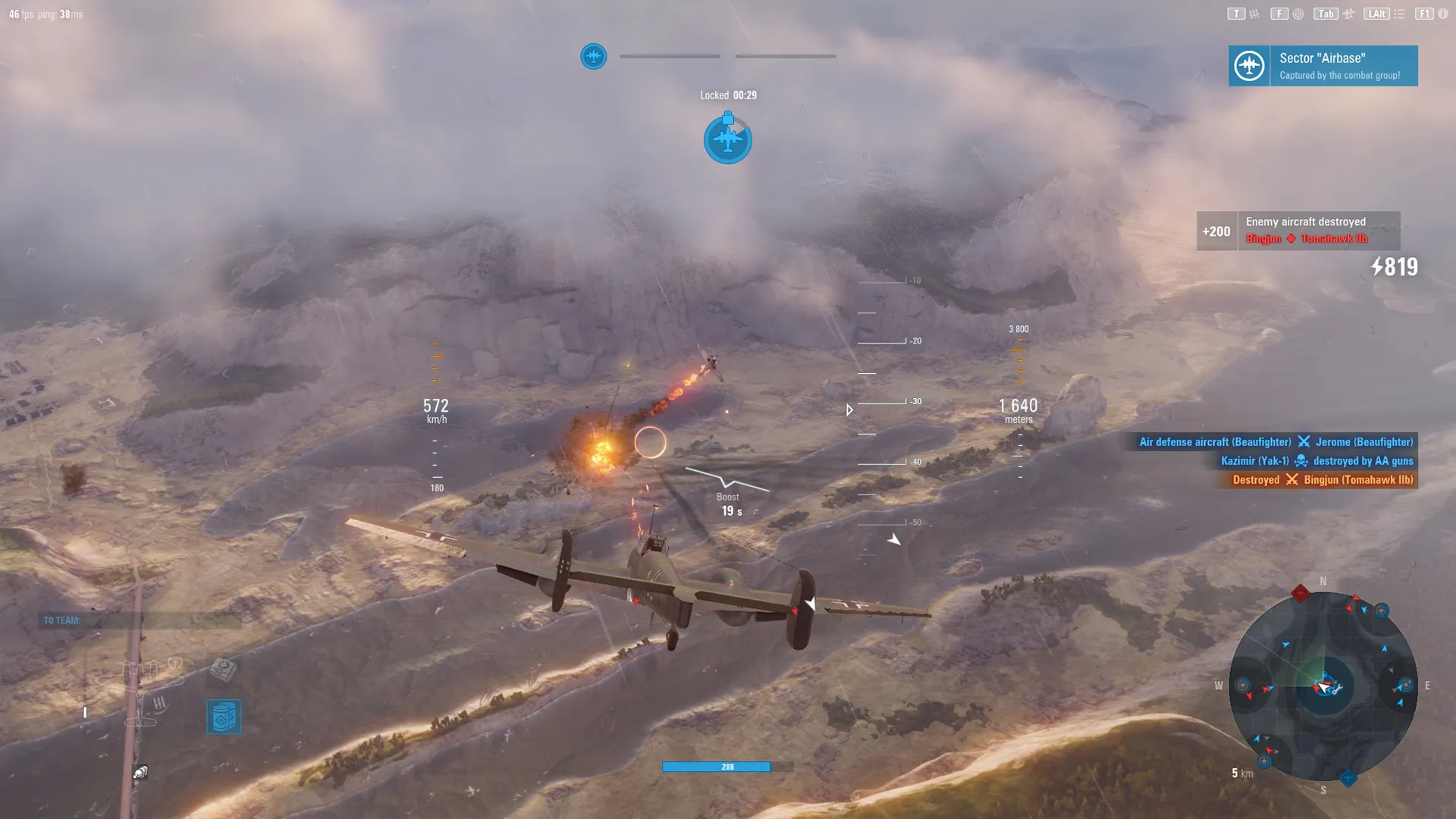
7. Altitude Bands: Understanding Where Your Plane Performs Best
Each plane in World of Warplanes has an optimal altitude band. Flying above or below this band reduces performance. High‑altitude fighters suffer at low altitude; low‑altitude fighters struggle in thin air.
Understanding your plane’s altitude band allows you to maximize energy efficiency. Fighting outside your band wastes energy and reduces maneuverability.
Altitude Band Categories
- Low‑altitude fighters (e.g., Japanese turn fighters)
- Mid‑altitude fighters (e.g., American multiroles)
- High‑altitude fighters (e.g., German heavy fighters)
The Altitude Misplay
Many players climb too high in low‑altitude planes, losing speed and control.
8. Target Selection: Choosing Fights Based on Energy States
Energy management is not just about your plane — it’s about your enemy’s energy state. Attacking a high‑energy target is dangerous. Attacking a low‑energy target is safe and efficient.
Look for enemies who are climbing, turning, or flying slowly. These planes have low energy and cannot escape. Avoid enemies diving at high speed or climbing with momentum.
Ideal Targets
- Planes in tight turns
- Planes climbing steeply
- Planes flying at low altitude
Dangerous Targets
- High‑altitude interceptors
- Fast‑diving heavy fighters
- Planes with energy advantage
The Targeting Rule
Always attack enemies with less energy than you.
9. Team Coordination: Sharing Energy Advantage
Energy management becomes even more powerful when coordinated with teammates. A squad that controls altitude controls the match. High‑energy teammates can dive to support low‑energy allies, creating layered attacks.
Communication is key. Calling out enemy altitude, speed, and energy state helps your team make informed decisions. Coordinated BnZ attacks can break enemy formations and secure objectives.
Team Energy Tactics
- Maintain altitude spread
- Rotate attackers
- Protect low‑energy allies
The Lone‑Wolf Problem
Flying alone makes energy management harder — you cannot cover your weaknesses.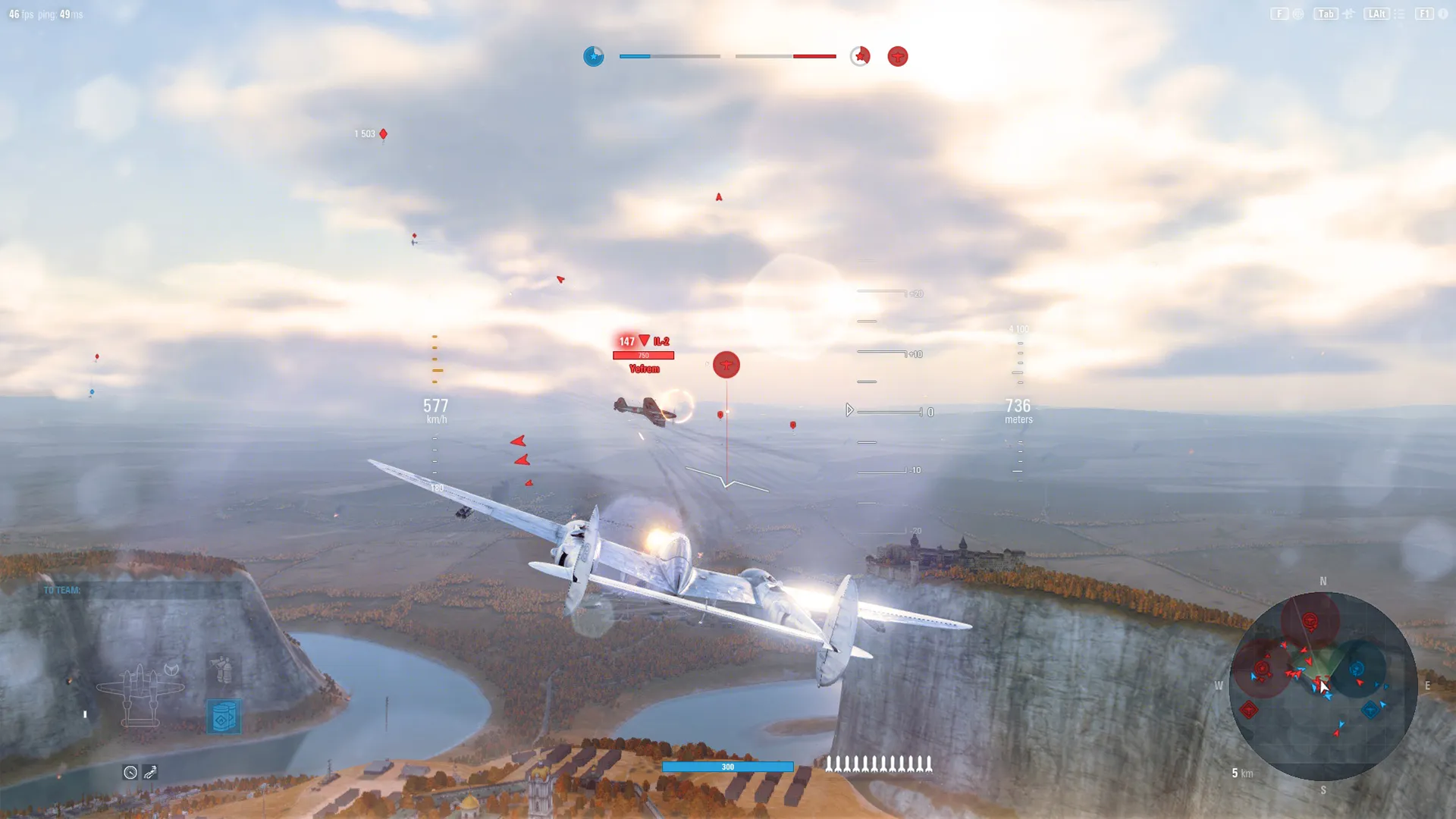
10. Long‑Term Improvement: Building Energy Awareness
Mastering energy management takes time. New players often focus on shooting accuracy or turn rate, but energy awareness is the true path to improvement. Watching replays, studying plane stats, and practicing maneuvers all help build intuition.
Over time, you will begin to “feel” energy states — knowing when to dive, when to climb, and when to disengage. This instinct separates average pilots from elite aces.
Improvement Tips
- Watch high‑level gameplay
- Practice BnZ and turn fighting
- Learn your plane’s altitude band
The Final Lesson
Energy is invisible, but its effects are everywhere. Master it, and you master the sky.
Conclusion
Energy management is the most important — and most misunderstood — skill in World of Warplanes. It determines who climbs, who dives, who escapes, and who crashes. By understanding potential and kinetic energy, mastering boom‑and‑zoom, managing energy bleed, choosing targets wisely, and coordinating with teammates, players can dramatically improve their performance.
World of Warplanes rewards pilots who think ahead, conserve energy, and strike with precision. With patience and practice, any player can learn to dominate the skies through superior energy control.